Professional Tattoo Experience
A sterile, properly equipped studio and an unhurried appointment. You are told what to expect, at every stage, before it happens.
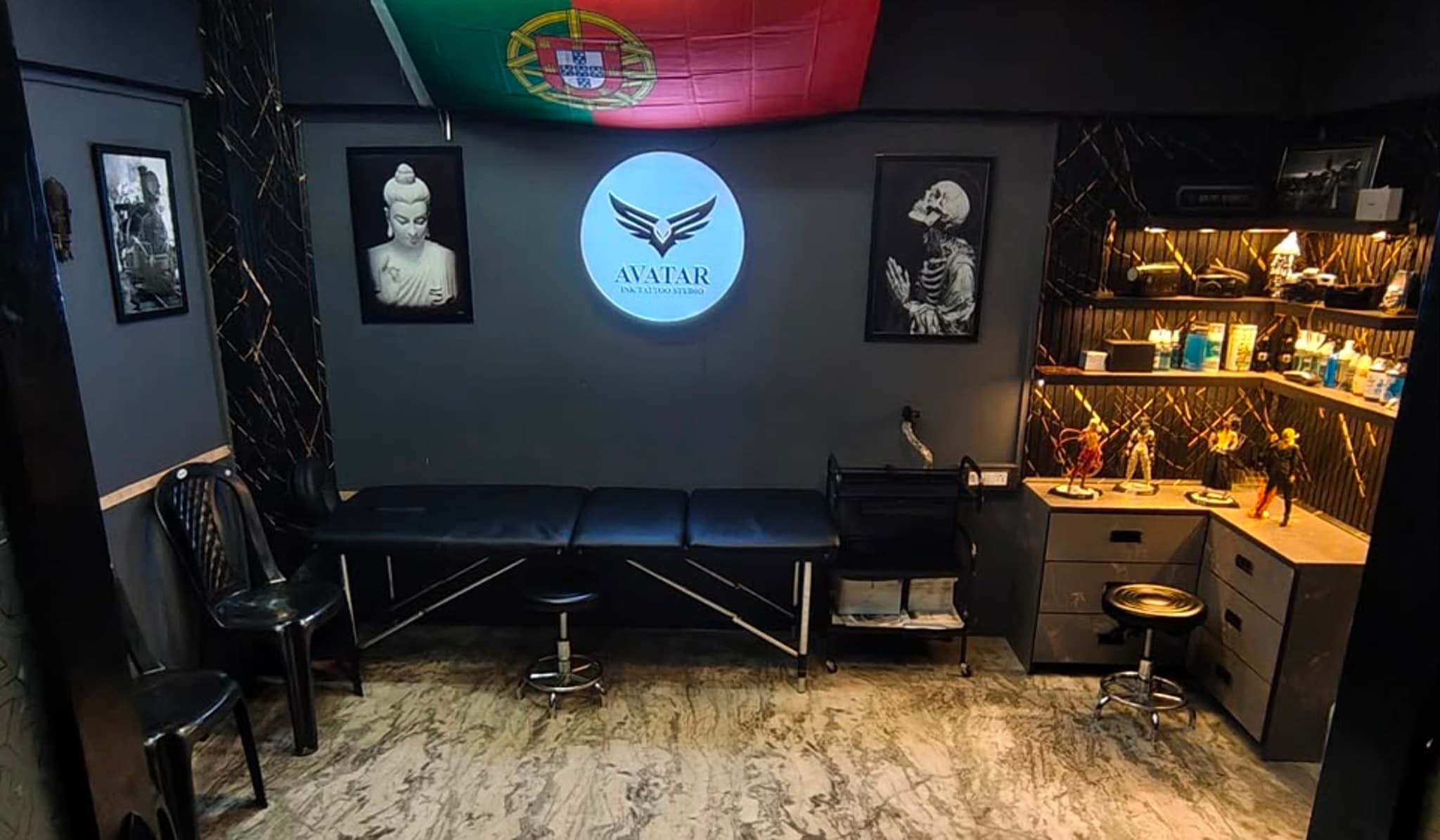
Avatar Ink is a young studio with an old idea behind it: that a tattoo should mean something to the person carrying it. Everything we make starts with a conversation, not a catalogue.
Avatar Ink Tattoo Studio was founded by Suraj Sarki on 10 September 2025 in Darjeeling.
The studio was created as a creative space where customers can transform their ideas, stories and personalities into meaningful artwork — work that belongs to one person and no one else.
That principle shapes how the studio runs. Nothing is copied off a wall, nothing is rushed, and no design leaves the drawing stage until the person wearing it recognises themselves in it.
Every piece begins with a consultation. We talk through the idea, where it will sit on the body and how it should age, then draw it from scratch around that conversation. Reference is a starting point, never the finished design.
The work covers Japanese and neo-traditional pieces, tribal and Polynesian blackwork, mandala and fine-line detail, portraits and realism — alongside piercing done with sterile, single-use needles. Whatever the style, the drawing is made for one person.
The studio sits inside Dragon Market, near Rink Mall in Darjeeling, and is open every day except Thursday. Walk in to talk it through, or send the idea over on WhatsApp before you come.
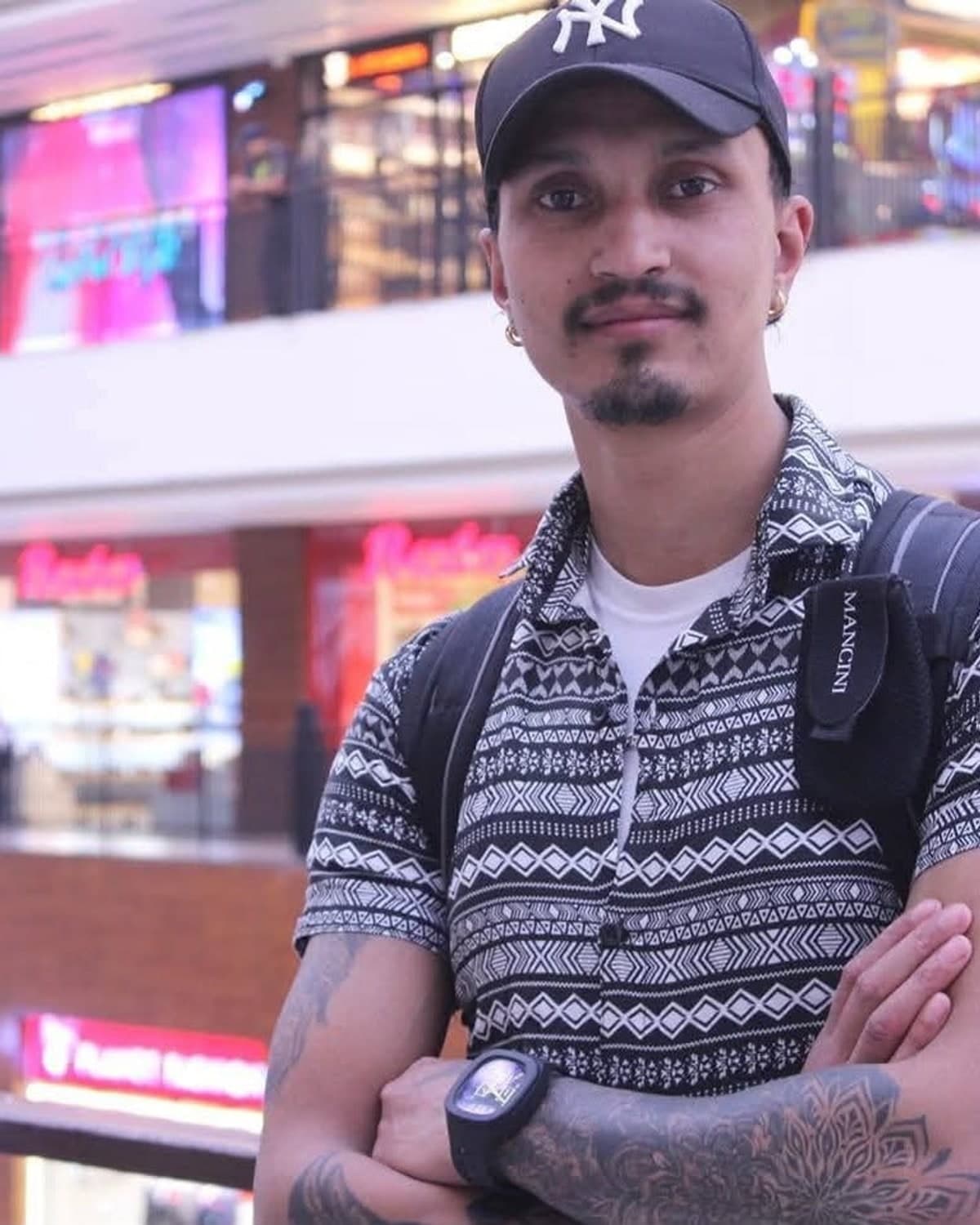
Avatar Ink opened in September 2025, so this is a young studio with a long apprenticeship behind it.
Suraj Sarki spent years tattooing and building a practice across styles, long before there was a studio with his name on it.
The studio is founded in Darjeeling on 10 September 2025 as a creative space built around custom, personal work.
Piercing, dreadlocks, anime collectibles and tattoo training grow the studio into a wider creative destination.
Structured training for people serious about learning to tattoo properly — from setup and hygiene through to a healed result.
A tattoo studio first, and a creative space beyond that. Everything below is worked in-house.
What happens before the machine starts matters as much as what it leaves behind.
A sterile, properly equipped studio and an unhurried appointment. You are told what to expect, at every stage, before it happens.
Your idea leads. We adapt the design to your body, your pain tolerance and how you want the piece to read in ten years.
Working across many styles means a concept is not forced into the one language the studio happens to speak.
Line weight, spacing and how the piece will age are decided deliberately — not left to chance in the chair.
Nobody sits down for a tattoo by accident. There is always a reason underneath it — a person, a turning point, something worth keeping. We start there, because a design built on the reason will outlast one built on a reference image.
A piece that could belong to anyone belongs to no one. We would rather redraw a concept three times than hand you something generic that happens to be well executed.
The difference between good and permanent-good lives in the small decisions: how a line thins, where a shadow lands, how a shape follows the muscle beneath it. None of it is accidental.
Styles are tools, not boundaries. Japanese structure can carry a fine-line subject; a mandala can hold a portrait. The brief decides the approach, not the other way around.
Every piece starts with a conversation. Tell us what you have in mind and we'll take it from there.